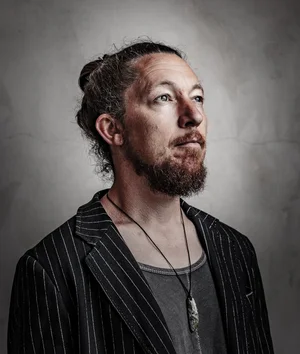
Why I Keep My Voice Reels (and My Studio Skills) Fresh…

As a voice artist working globally for clients in London, New York, and Sydney, from a log cabin deep in the New Zealand jungle I’m often ask myself: "Toby, you’ve been doing this for years—why are you still tweaking your demos?"
The answer to those voices in my head is simple: The second you think you’ve "arrived" in the voiceover industry is the second you start becoming obsolete. In 2026, the gap between a "working in VO" and a "top-tier global talent" is defined by two things: relevance and reliability.
The "Shelf Life" of a Modern Voice Reel
Whether I’m recording a British commercial read, a Standard American narration, or a relaxed Australian promo, I know that all vocal trends have a shelf life. Years ago, the "announcer" was king; then it was the ‘Conversational read’ and today, it’s all about the "hyper-natural" and, curiously, “Strength"
If my reels still featured the reads of 2020, I wouldn’t be booking the high-end, poetic, effortless scripts that brands like Mercedes-Benz or global tech giants are looking for today. I make it a goal to refresh my samples every 6–12 months to ensure:
Linguistic Accuracy: My UK, US, and AU accents stay sharp and modern, not stuck in a "caricature" era.
Vocal Maturity: My voice at 40-something sounds different than it did at 30. Your reel must be an honest representation of the "instrument" the client is hiring today.
Micro-Niche Proof: I need specific examples for TVCs, e-learning, and corporate manifestos—one generic reel trying to be all things just doesn't cut it anymore.
Tech Isn't Just "Equipment"—It’s Your Reputation
Being an international voice artist in the middle of nowhere means I am my own recording engineer. In my studio here in NZ, I’m obsessed with staying ahead of the technical curve. Why? Because technical friction kills creativity.
If a director in London connects to my studio via Source-Connect or ipDTL, they expect a seamless, low-latency experience that feels like I’m in the booth next door. If my noise floor isn’t perfect or my DAW skills are sluggish, I’m wasting their time—and in this business, time is literally money. I can also add value by editing voice takes and providing realtime replay of hero takes, and I can even sync voice to picture for client sign off within the voice session - saving time and cost for the producers. These extra skills will become more important in the coming years as budgets tighten.
The Bottom Line? Whether you’re a student at my NZ Voice Academy or a seasoned pro, your "calling card" is digital. If your demos are old and your tech is clunky, you're invisible and could be irrelevant. Keep your ears open to new trends, keep your software updated, and never stop refining your skills and studio sound.
See you in the booth!